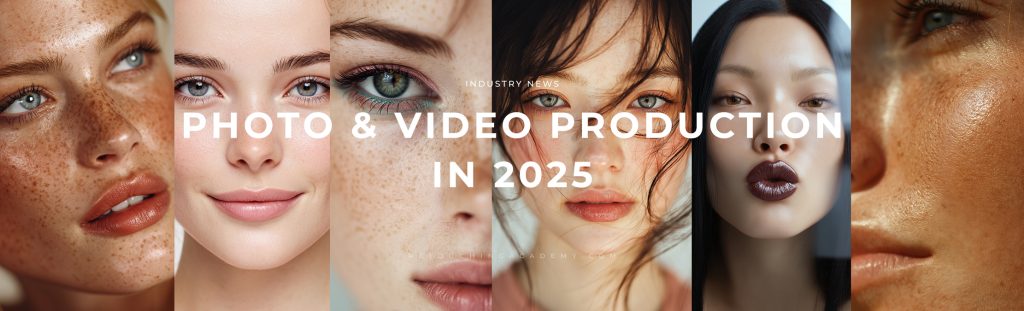
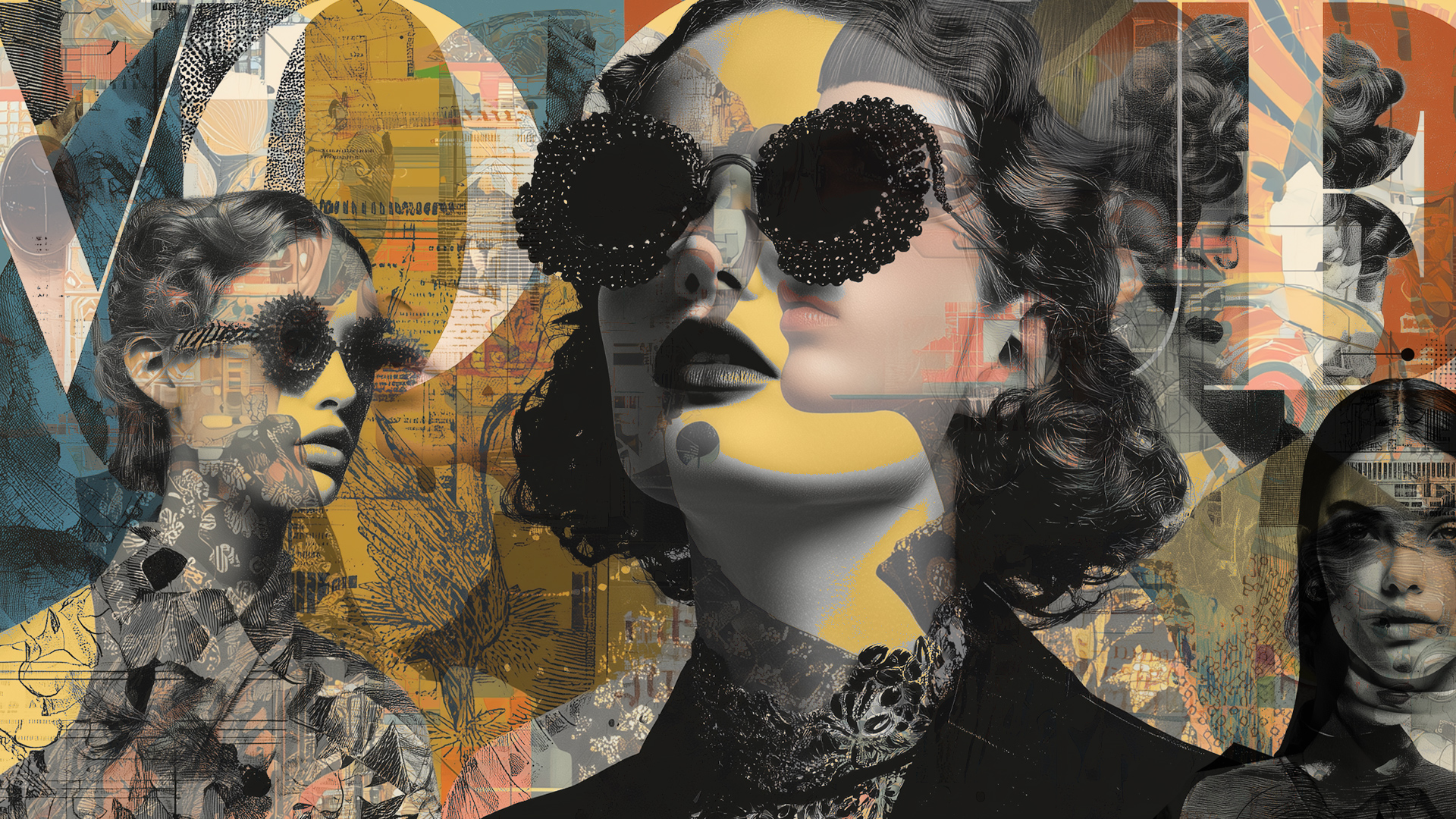
In its August 2025 issue, Vogue featured an AI-generated model in a Guess ad, prompting a wave of subscriber cancellations: Vogue’s AI-Generated Models Spark Reader Fury And Industry Panic, Forbes, July 29, 2025.
The reaction from readers and the broader creative community was immediate and overwhelmingly negative. This isn’t the first time we’ve seen AI enter mainstream content creation, followed by a pushback (Duolingo & Audible Users Push Back on AI Content Replacement, or Netflix’s Arcane poster: Outcry Over AI-Generated Poster for Arcane – Season 2).
What’s different now is the scale of visibility and the public response. And, of course, this one directly affects how our work is valued.
The pushback we’re seeing from readers, artists, and even some clients suggests that people are beginning to draw the line between visual content that is generated and that which is created by humans.
My personal experience in posting experimental AI videos on Instagram or watching other seasoned photographers “dare” to share their own dabblings confirms this observation: a large number of creatives reject it.
I’ll admit, this is a difficult area for me to take a firm side. I am a professional photographer and retoucher, I run Retouching Academy and a retouching agency, so my livelihood is just as vulnerable to the impact of AI as anyone else’s in this industry.
But as an artist, I’m relentlessly curious about tools that let me create things I’ve always wanted to make but couldn’t, and I’m pathologically drawn to anything that opens up new creative possibilities.
At the same time, as a small business owner, I also understand why many businesses will choose to use AI tools to quickly generate things that aren’t creatively important but still necessary (like blog post headers or elemental marketing assets) because I do that too.
With that being said, AI is here to stay – as a blessing or a curse – especially in workflows that prioritize speed and quantity.
Even within our own work, we’re integrating AI where it can help freelancers save time on repeatable tasks that can be automated: our latest Beauty Retouch v5 panel now features most of the available AI-powered Photoshop tools and a couple of our own custom AI-powered scripts.
As a creative professional, I am constantly testing out various Generative AI tools and platforms for video, image, and audio asset generation. I brainstorm and learn new things using AI, and I appreciate advanced prompt engineering.
So, while I believe photographers and retouchers will remain essential in many areas of photography, we should still stay alert. The strong reaction to Vogue’s use of AI-generated imagery may have less to do with the visuals themselves and more to do with who the audience is.
Vogue readers largely come from creative professions: photographers, stylists, designers, editors, and others who are deeply invested in the fashion and beauty industries.
For this group, replacing real creatives with AI doesn’t feel like innovation; it feels more like betrayal.
It touches a nerve because it directly threatens the work, artistry, and identity of the very people who have shaped the fashion world for decades.
“I can’t help but wonder who really benefits here,” said Dr. Jade McSorley, head of knowledge exchange at the Centre for Sustainable Fashion, said. “Is this just another way for brands to sell more items? (JKM note: or to increase profit by reducing creative labor costs?) As someone who used to model for e-commerce companies, the personality you bring to images is suddenly diminished alongside the spontaneous, co-creative process we have with the whole creative team (all of whom will be impacted).” – Vogue’s AI-Generated Models Spark Reader Fury And Industry Panic, by Forbes, Jul 29, 2025.
But this kind of pushback may not happen everywhere. In industries where the audience is less connected to the creative process (e.g., tech, consumer goods, finance, etc.) AI-generated visuals are already replacing photography quietly, and often without question or pushback.
These audiences are focused on content volume and speed, not authorship or craftsmanship.
For photographers and retouchers, that means the erosion of the creative job market may continue unnoticed in certain sectors, unless audiences begin to care where their visuals come from, and clients are educated on the value of human-made imagery.
What this moment confirms is that the human element remains central to creative work and cannot be replaced in all industries.
For what it’s worth, my personal view is that for photographers and retouchers, the path forward isn’t about avoiding AI, it’s about being clear on where your value lies.
Which parts of the creative process can – and should – be outsourced to AI, and which parts we must continue to strengthen strategically through learning new skills and hands-on experience. Ideally, aligning what we do for a living with what we love doing and what our clients are eager to hire us for.
This shift also opens an opportunity for us to help guide our clients, not away from AI entirely, but toward strategic use that creates savings in production and post-production costs for them, while preserving artistic decision-making and relevant, well-compensated jobs for us, creative professionals.
Brands are watching how their audiences respond, and we can help them navigate this new, uncharted territory, offering our creative vision and skills.